
Reverse Engineering a Lincoln Futura Replica Tail Lamp
Reverse Engineering a Lincoln Futura Replica Tail Lamp for Monterey Car Week
Some projects are defined not by what exists, but by what doesn’t.
In this case, the only starting points were a handful of low-resolution historical images and an empty cavity in a hand-built fiberglass body. There were no drawings, no reference geometry, no mounting strategy, and no guidance for how a complete taillamp assembly should be constructed. At the same time, the deadline was immovable. The car was scheduled to debut publicly at The Quail, A Motorsports Gathering during Monterey Car Week.
In 2024, OCMEE Design supported the development of a high-end Lincoln Futura replica by engineering bespoke taillamp bezels entirely from scratch. The work required translating visual intent into functional geometry using high-resolution 3D scanning, advanced CAD surfacing, and iterative physical validation. Every decision carried visible consequences. There was no margin for approximation.
This article documents how we approached that challenge when no production parts, CAD data, or reference models existed, and how engineering discipline, not guesswork, made the components real.
We are grateful to the owner, the Torrance-based body shop led by Bobby, and Paguzzi Inc. for their interior craftsmanship. This was a collaborative effort where each contributor played a critical role.
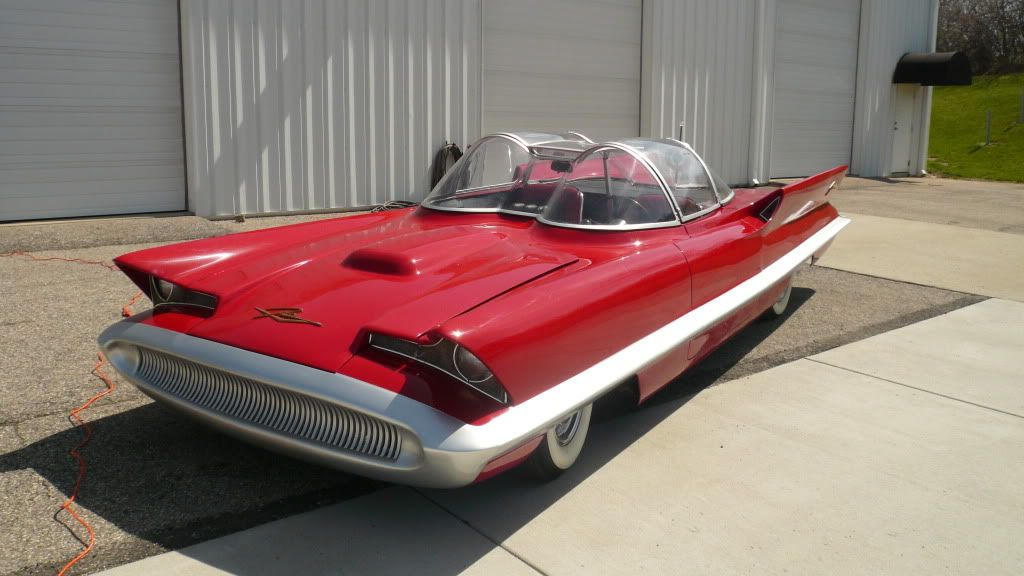
A Vehicle Without Production Parts
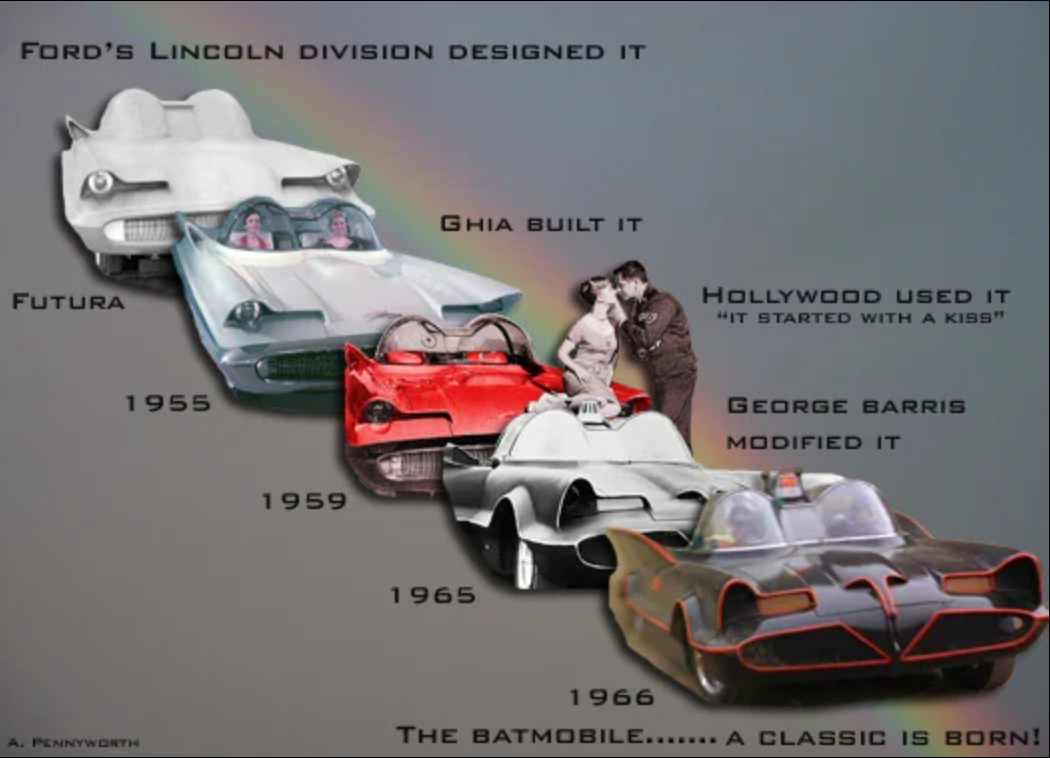
The Lincoln Futura was a concept car, not a production vehicle. Only one original example was built by Ford in 1955. That car was later transformed into the 1966 television Batmobile and still exists today in that configuration. It has never been reverted to its original Futura form.
As a result, no production parts for the Lincoln Futura have ever existed.
There is no OEM catalog.
No service documentation.
No CAD data.
No tooling history.
Any Lincoln Futura appearing at modern automotive events is therefore a high-end replica, typically constructed to museum or concours standards using period-correct styling cues, hand-fabricated bodywork, and modern systems hidden beneath a classic exterior.
These replicas are extremely rare. Fewer than ten are believed to exist worldwide, and their value reflects the level of craftsmanship, interpretation, and engineering required to build them.
That rarity defines the stakes.
The Challenge: Creating Parts That Do Not Exist
In this project, the client required a taillamp bezel for a Lincoln Futura replica prepared for public debut at The Quail during Monterey Car Week 2024.
There was no option to purchase a replacement part.
There was no reference geometry to reuse.
The part had to be created from scratch.
The body itself was fiberglass, produced from a mold and shaped by hand. As is typical for composite structures of this kind, the geometry was not perfectly straight or symmetric. Left and right taillamp locations were unique, with subtle but important differences that would be visible once installed.
Assuming symmetry or designing to an idealized model would have resulted in misalignment and poor visual integration.
Scanning was therefore mandatory.
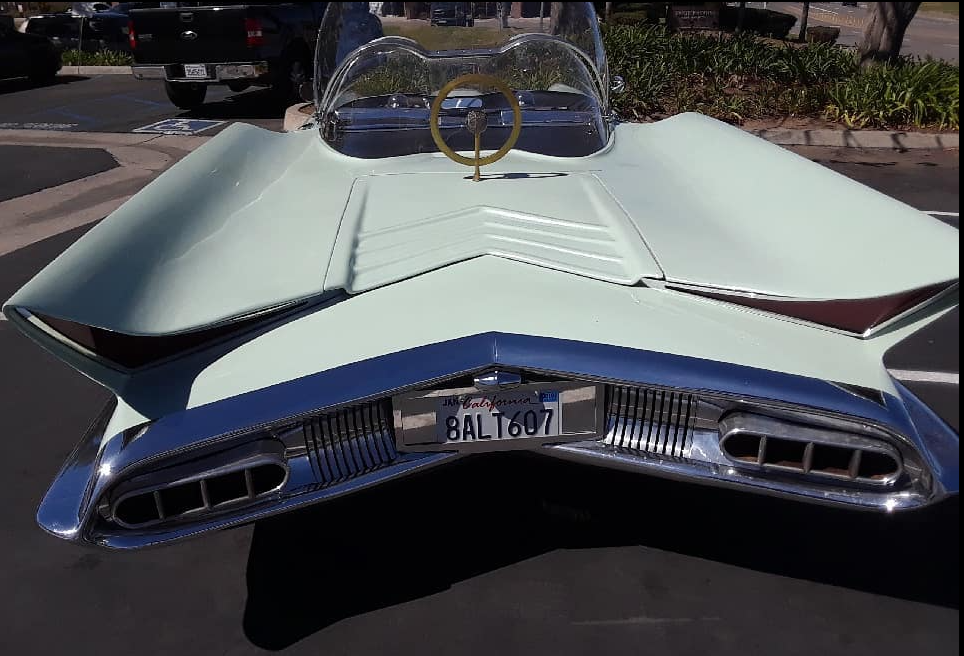
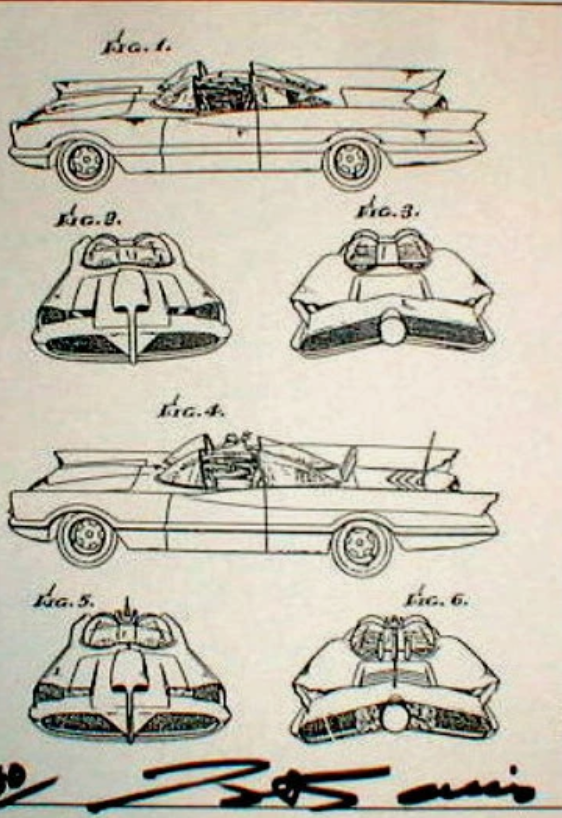
Reverse Engineering – Why 3D Scanning Was Mandatory
This project required reverse engineering in its purest form.
Not replication.
Not substitution.
Interpretation and realization.
The workflow involved:
Scanning the as-built fiberglass body to capture real geometry
Using historical imagery to understand visual intent
Reconstructing surfaces in CAD that respected both the body and the original design language
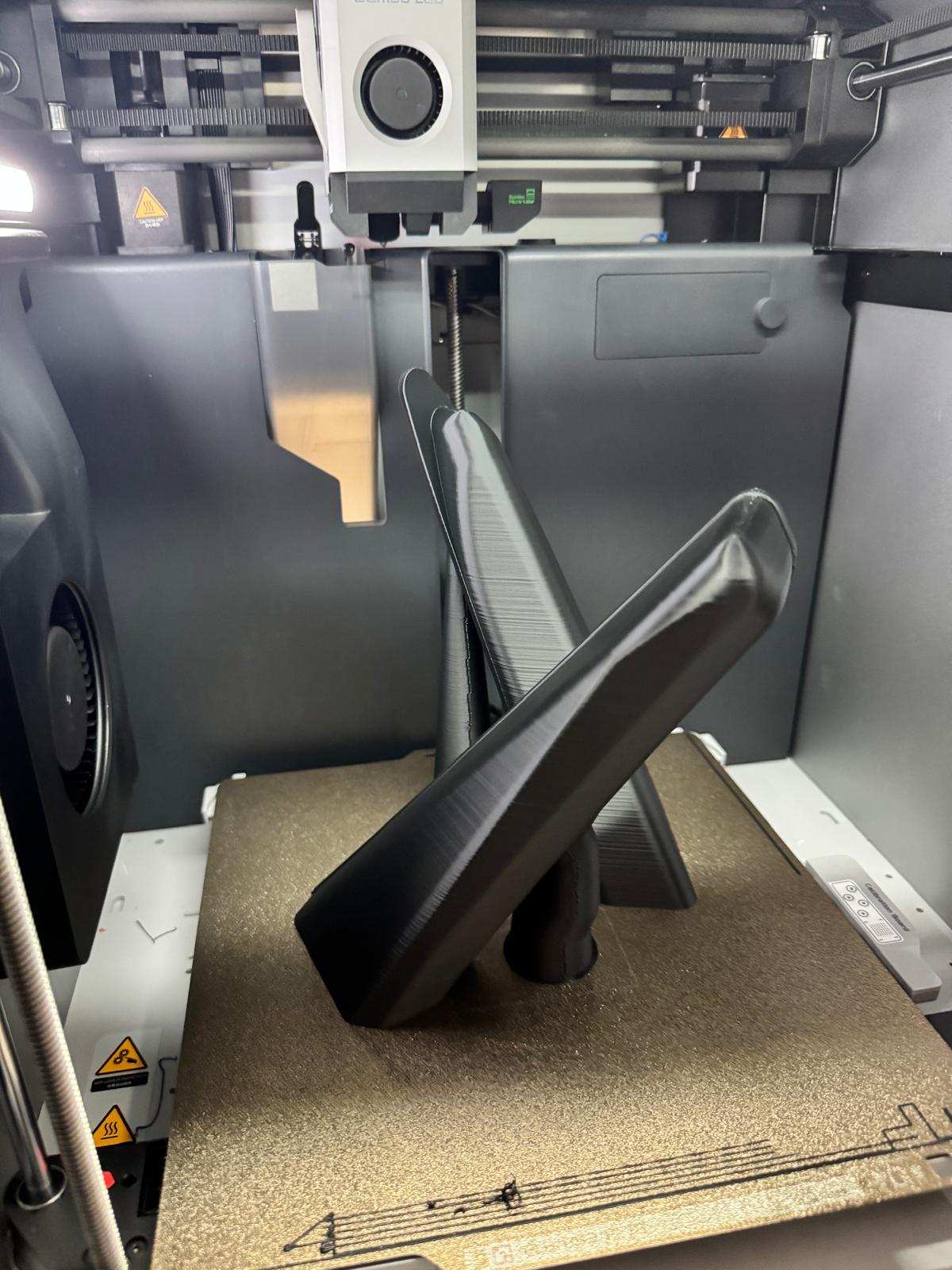
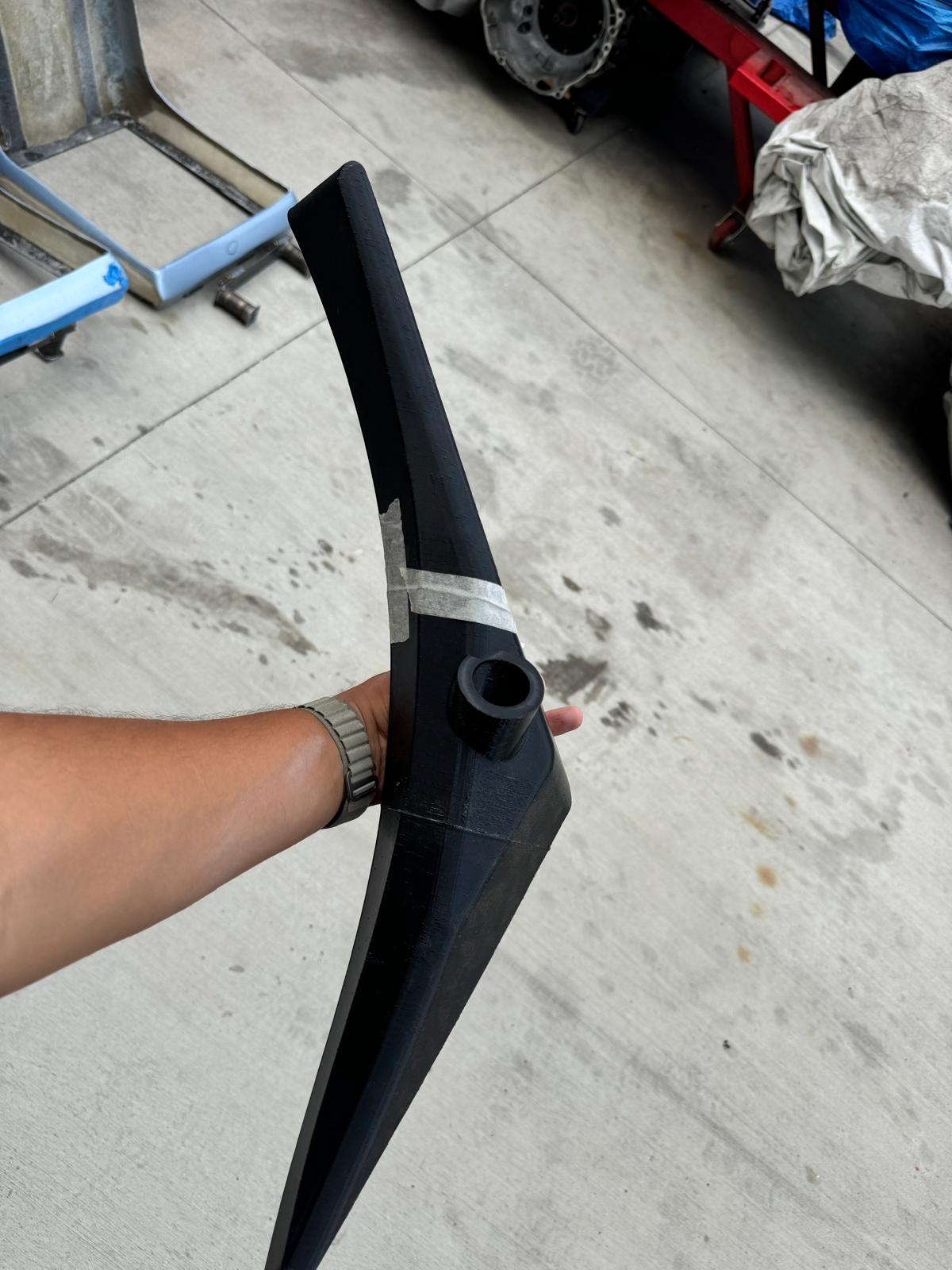
Iterating through multiple 3D-printed prototypes to validate fit, alignment, and surface behavior
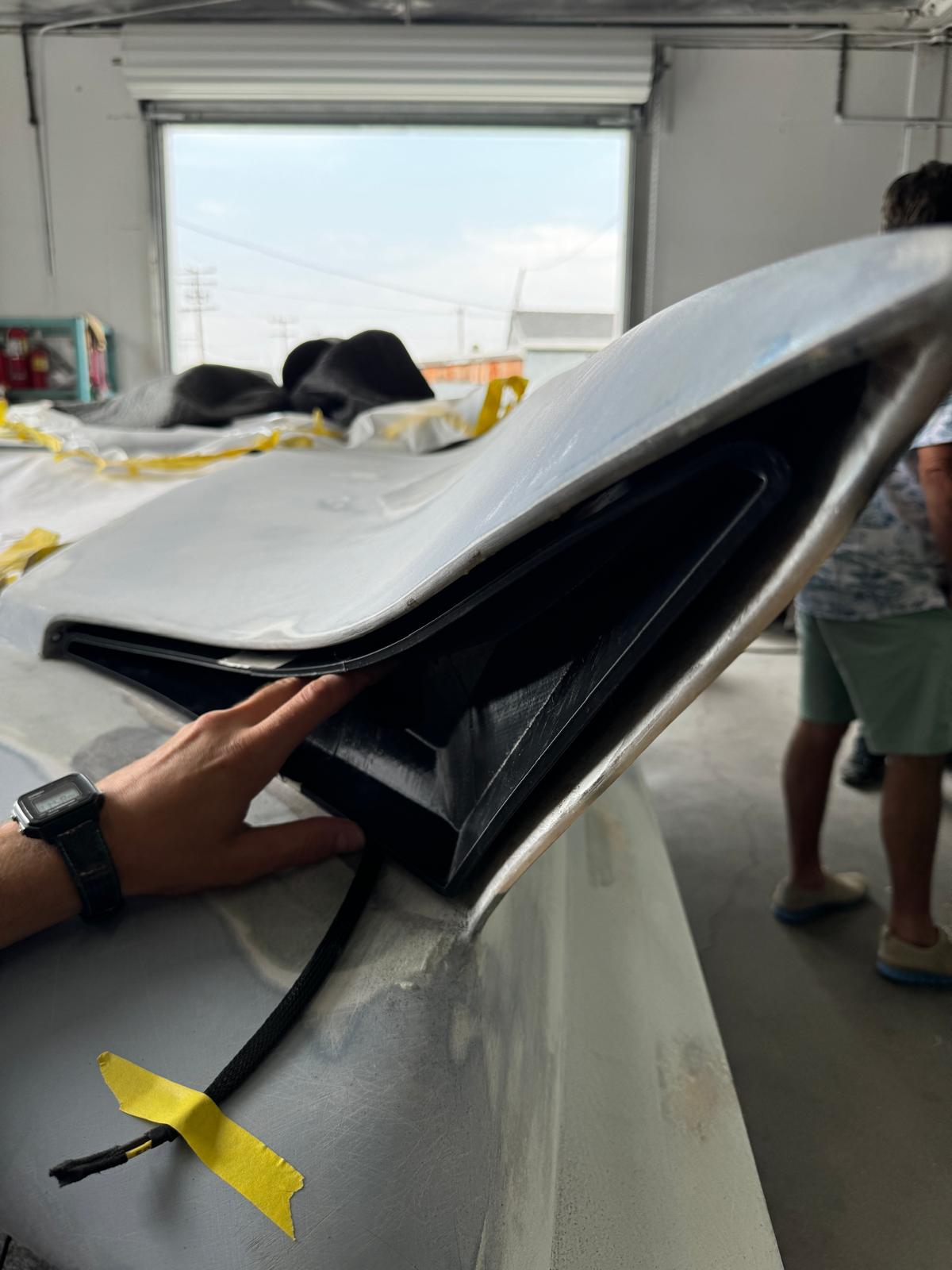
Test-fitting parts directly on the vehicle before release to finishing
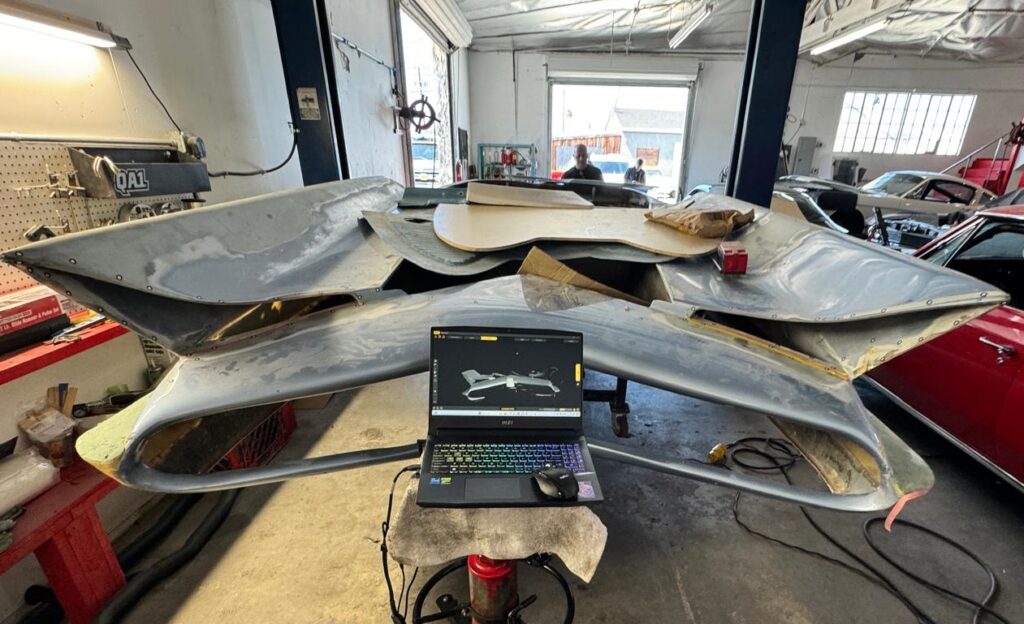
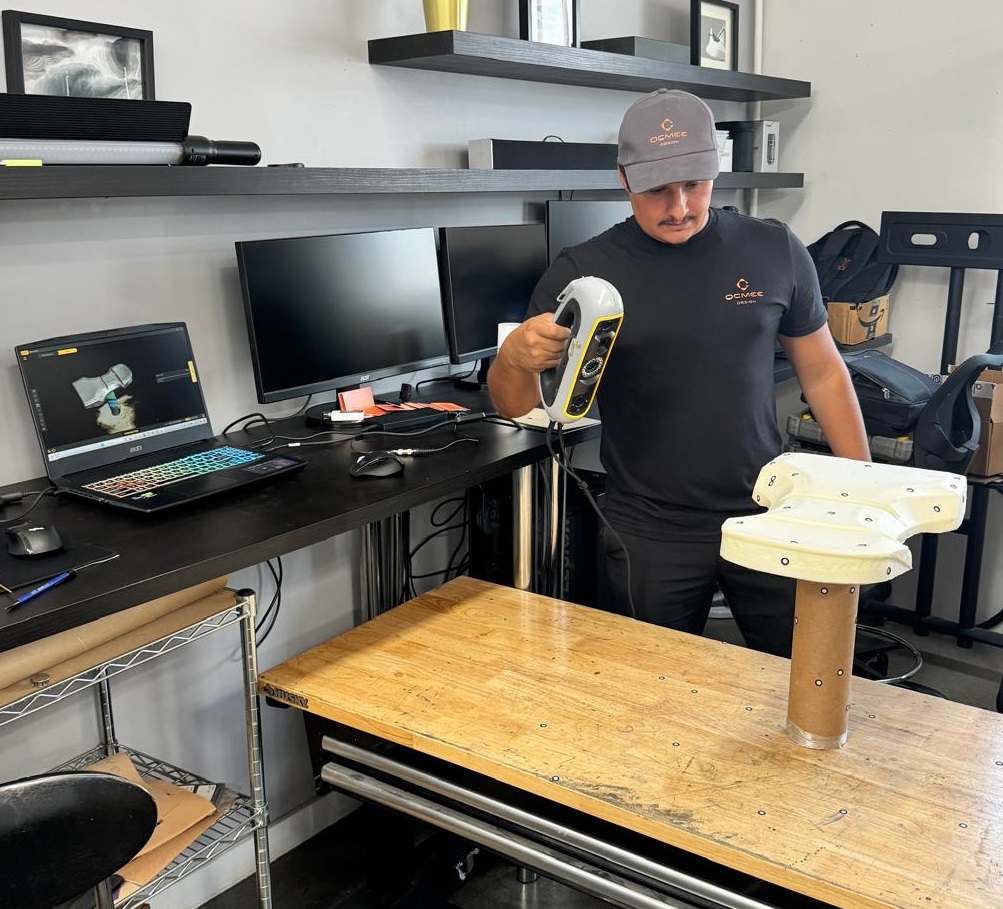
Because no original part existed, two valid engineering paths were possible:
Faithfully recreating a bezel based on historical photographs and proportional interpretation
Developing a new, sympathetic design solution that fit the available space while remaining consistent with the vehicle’s overall styling
Both approaches required the same foundational capabilities: accurate geometry capture, strong CAD surfacing judgment, and physical validation through prototyping.
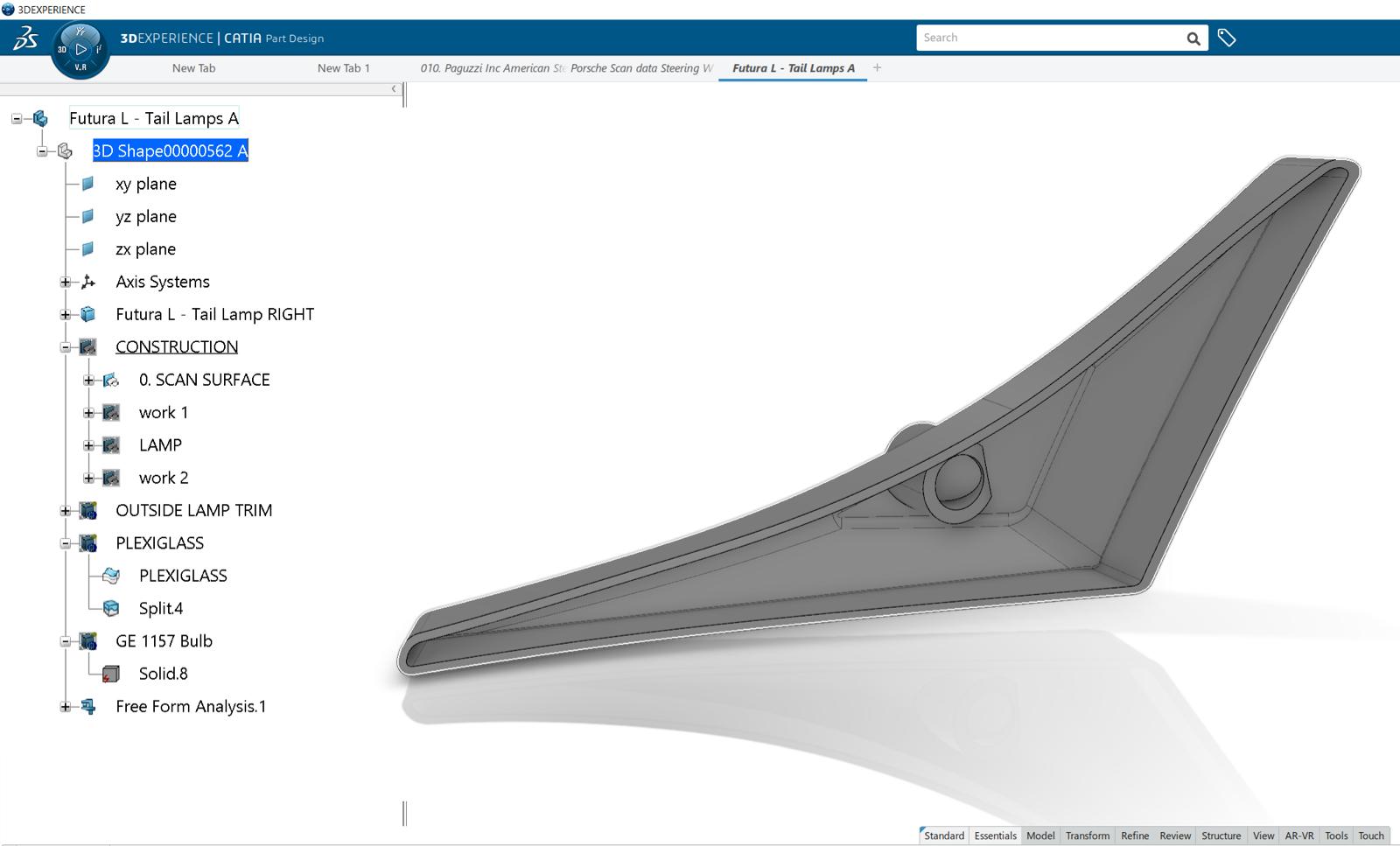
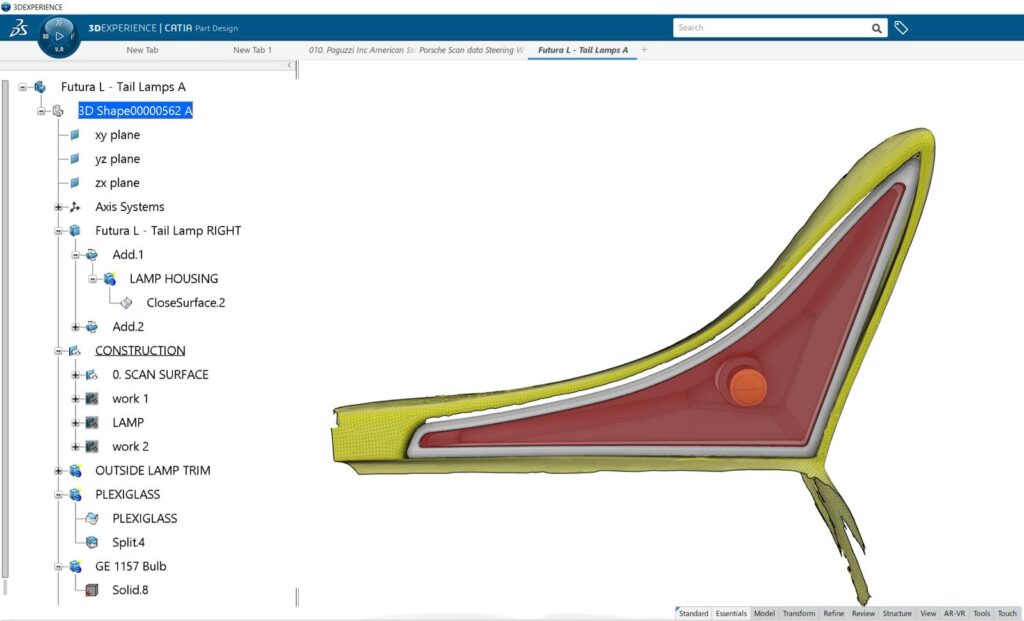
In this context, the vehicle itself becomes the master, not an abstract drawing or idealized model.
Engineering and Prototyping Under a Public Deadline
What made this project exceptional was not only its technical complexity, but its timing.
The vehicle was scheduled to appear publicly at one of the most visible automotive events in the world. There was no flexibility in the deadline, and no opportunity for post-event correction. Components had to integrate correctly the first time.
This introduced real pressure, but more importantly, real responsibility.
Every decision affected downstream bodywork, paint preparation, and final assembly. Prototyping was not optional. It was the mechanism that allowed uncertainty to be reduced before irreversible finishing steps were taken.
The parts delivered performed as intended and integrated into the vehicle as planned.
From One-Off Restoration to Repeatable Capability
While the Lincoln Futura project was unique, the engineering principles behind it are not.
The same reverse-engineering, CAD surfacing, and system-level design workflows developed during the Lincoln Futura program were later applied to additional high-visibility vehicles prepared for Monterey Car Week 2025, including modern platforms where accuracy, discretion, and fixed deadlines are critical.
By 2025, this capability had moved beyond a single showcase project into repeat execution. OCMEE Design translated incomplete inputs, scan data, sketches, and reference imagery, into fully defined, build-ready assemblies validated through physical prototyping and on-vehicle fitment.
Entering 2026, this work continues as part of OCMEE Design’s broader role as a design engineering consultancy. Scanning, reverse engineering, and prototyping remain supporting tools used to enable complex vehicle programs when standard development paths do not exist.
Why High-Visibility Vehicles Demand More Than Fabrication
High-visibility vehicles are unforgiving. They are judged in public, examined up close, and remembered for their details.
They require:
Engineering judgment when reference data does not exist
Discipline in surface interpretation and interface definition
Validation before commitment
The ability to deliver under conditions where there is no fallback
Reverse engineering in this context is not about replacing expensive parts. It is about enabling progress when traditional supply paths are unavailable.
This is the engineering space OCMEE Design operates in on a daily basis.
Orange County Mechanical and Electrical Engineering Design is based in Orange County, at the center of one of the most active classic and specialty automotive communities in the world. We support builders and owners working on vehicles that cannot rely on catalogs or archives, only on engineering judgment and execution.
Supporting Projects Where Precision Matters Most
Some projects are defined by scale. Others by visibility, consequence, and the absence of fallback options.
Engineering a component for a Lincoln Futura replica destined for Monterey Car Week sits firmly in the latter category. It is work where nothing exists until it is created, and where the quality of decisions determines whether the final result belongs.
Projects like this reflect the type of work OCMEE Design supports: technically complex, time-critical engineering challenges where precision, discretion, and execution matter more than volume.
Builders, owners, and programs facing similar constraints are invited to contact OCMEE Design to discuss how disciplined engineering, scanning, CAD surfacing, and physical validation can support their work when standard development paths do not exist.
Read next: A 27-Hour Print to Solve a Radar Packaging Problem
1 Comment. Leave new
[…] The Porsche air inlet example shown below is an external project shared publicly online and is used here for educational purposes only. It illustrates a reverse-engineering and prototyping workflow commonly applied in restoration and low-volume scenarios. While OCMEE Design provides reverse-engineering and prototyping services, the Porsche work shown here was not performed by OCMEE Design. For a real client example of how OCMEE Design applies similar workflows in practice, see our Lincoln Futura taillamp bezel reverse enginnerging in this article. […]